


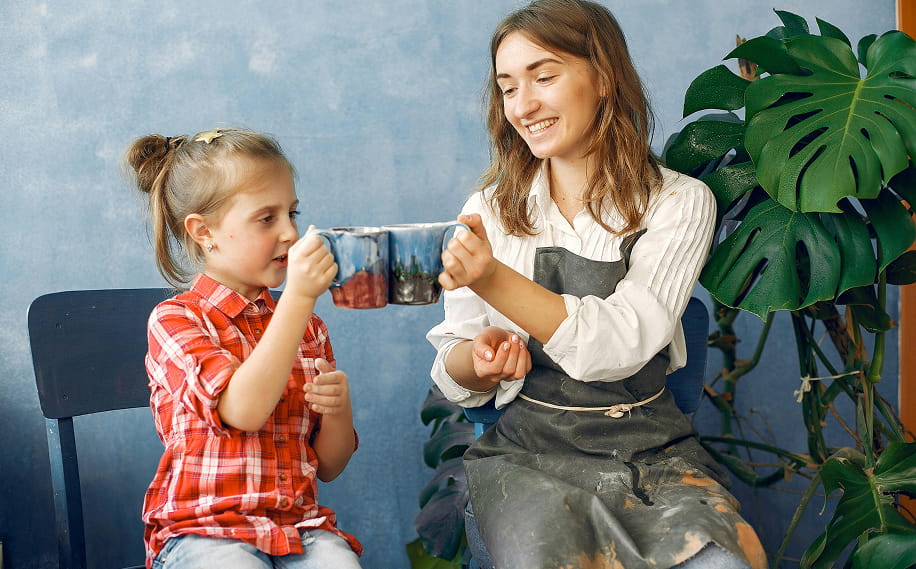
Tourism is more than an industry. It is knowledge in motion. In many small tourism businesses, experience is rarely written down. Families know which trail dries quickest after rain, which weekend fills every room and which regular guests prefer a quiet table. This lived knowledge has real value, yet it often remains invisible until it is no longer there. The Next GEN Tourism project treats this knowledge as a core part of succession readiness, not just a nice extra.
Across Europe tourism is dominated by smaller firms. Small and medium sized enterprises make up about 85 per cent of tourism businesses, and tourism industries account for around 2.3 million enterprises in the European Union, employing close to 11 million people. These companies provide accommodation, food, guiding and leisure activities that shape the identity of destinations. Their success depends not only on formal skills but also on deep local understanding. A founder knows which supplier can be trusted in a busy season, how to pace work through the year and how to respond when a familiar pattern changes. This insight is built over years and directly influences the quality of the visitor experience.
When this knowledge is not shared in time, it can be lost. A successor may take over a business but not the understanding that makes it run smoothly. Seasonal timing, personal relationships, local customs and instinct are difficult to explain in a single conversation. Many businesses discover this after ownership has changed hands and details begin to slip. Customer loyalty weakens, supplier terms change and decisions take longer. A business that once felt effortless can quickly start to struggle.
Next GEN Tourism was created with this reality in mind. It recognises generational knowledge transfer as a key tourism asset that must be protected. Through its succession framework, modular training and digital assessment tool, the project supports owners, successors, educators and advisors to identify what knowledge needs to be passed on and to start that process early. Its resources help families to record key routines, share decision making gradually and create space for learning while the experienced owner is still present.
A tourism business with active knowledge transfer gains stability, confidence and room for new ideas. A business without it risks losing more than income. It risks losing its identity and its connection to place. Next GEN Tourism exists to keep that knowledge flowing so that skills, memory and community value continue beyond one generation and strengthen the future of tourism.
Sources
Building resilience in the tourism ecosystem: OECD Tourism Trends and Policies 2022 | OECD
Tourism industries - economic analysis - Statistics Explained - Eurostat