



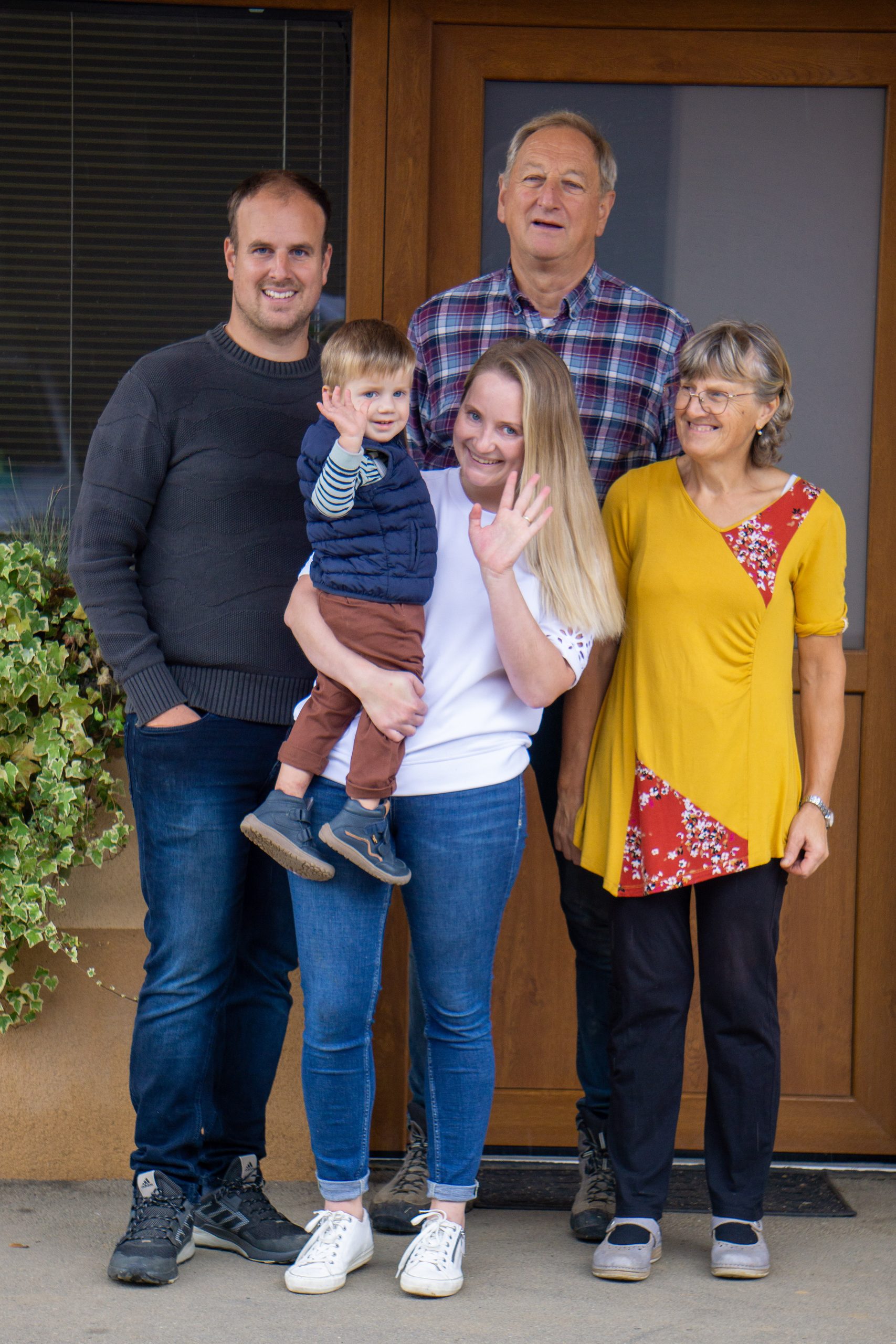
In Slovenia, Organic Farm Kastelic stands as a testament to the power of family tradition combined with modern innovation. Run by the fourth generation, Jaka and Anja Kastelic, the farm has successfully transitioned from conventional methods to a thriving organic business. We talked to them about their journey of succession, the challenges of organic farming and their vision for the future.
The Kastelic farm has a long history dating back to the 19th century. How does it feel to be the fourth generation leading this legacy?
Ms Kastelic: It is a great responsibility but also an honor. We don’t see the farm as something we simply own, we see it as something entrusted to us by our ancestors to preserve and improve for the generations yet to come. Jaka and I took over the management in 2018 and we are grateful to have the support of the older generation, Ana and Alojz (Jaka's mother and father), which made the intergenerational transition very smooth.
Succession can be a difficult process for many family businesses. How did you handle the transfer?
Ms Kastelic: We were lucky that the succession was carried out as a joint family agreement. Instead of dividing the land, the farm was transferred as a whole. This was crucial for maintaining stability and preventing the typical conflicts that can arise in family run enterprises. It allowed us to focus our energy on development rather than disputes.
Since taking over, you’ve moved heavily into organic production. What were the biggest challenges in this transition?
Ms Kastelic: The transition actually began in 2002 and was completed in 2010, but since taking over, we have intensified these efforts. Organic farming is far more demanding than conventional farming because it’s based on prevention and requires extensive knowledge. You face higher risks from weather conditions and pests, often with lower yields. Another major hurdle was the fragmented nature of our land ownership and the need to build entirely new sales channels from scratch.
You’ve introduced some very modern elements to the farm, such as an online shop and unique products. Tell us more about that.
Ms Kastelic: We realized that simply producing raw materials wasn't enough. We needed to create value added products. We expanded our processing to include things like juices, vinegars, flours and even »chocolate apple crisps«. To reach our customers directly, we built a recognizable brand, strengthened our social media presence and launched an online shop with home delivery. This direct contact with consumers gives our work more meaning.
Tourism and education also seem to play a big role now. What can visitors expect when they visit Organic Farm Kastelic?
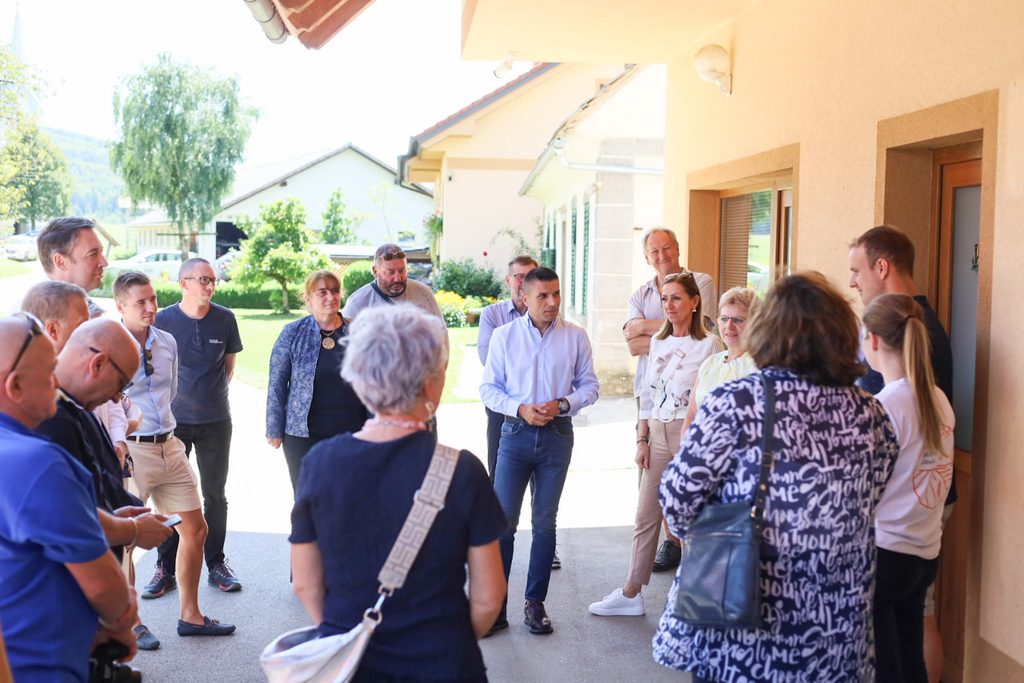
Ms Kastelic: We want to raise awareness about sustainable agriculture. We offer guided tours and tastings for groups, where visitors can learn about our family history, see our organic practices firsthand and taste our specialties like apple juice and oils. It’s about more than just selling a product, it’s about sharing the story of where our food comes from.
What advice would you give to other young farmers or family business owners facing a succession process?
Ms Kastelic: Stay committed to your values and believe in what you do, even when it isn’t easy. Consistency and longterm thinking are key.
Jaka Kastelic said: »Don’t be afraid to innovate and network with other local businesses. Our responsibility is to leave the farm in a better condition than we received it, ensuring that the next generation can continue to live from it with dignity.
For more, find them on ; https://www.facebook.com/ekoloskakmetijakastelic
Author: Jasna Presečki, Development Centre of the Heart of Slovenia